
Revit API. How does it work?
Specialists from PMtech Engineering offer a detailed guide for those who want to work with Revit API. In addition to the Revit API development, we will provide you with all the necessary information about the typical tasks and operations.
The basic features – Revit API Autodesk will be useful for programmers working with building information modeling (BIM). All operations can be implemented directly or by accessing data for certain actions. Revit API can be a useful tool for experienced developers. It is an effective way to create specialized customization methods.
Programming language
Revit Autodesk is based on a NET. API so you can choose any programming language that consists of C # / .NET, Python, etc. Each language has both advantages and disadvantages. C # (.NET) is considered the most popular. Its advantages are the following:
- easy handling;
- simple interface.
- Benefits of Revit API
- GitHub document control
By ordering the development service Revit API, you will be able to automate the repetitive actions, expand the basic set of functions, etc. NET. Revit API can be used with any example or code.
Our offer: education and support.
PMtech Engineering offers Revit API development and professional support in Estonia. Expert training and all associated services meet international requirements and standards. You can order a course so that your experienced team members learn how to use the software’s basic functions.
Scope of work:
- An overview of the problems solved by PMtech Engineering team at Dynamo.
- Import/export Excel, txt, csv, jpeg.
- Creation of curved geometry. Creation of elements in Revit (walls, floors, pillars, beams, placed elements, text, 2D joining of the elements)
- Copy and move elements in Revi
- Create views, sheets, add views to sheets. Create and edit specifications.
- Add general parameters to the project, create general parameters.
- Communication with SQL database
- Open a Revit file
- Reinforcement of elements in Revit.
- Convert DWG Elements to Revit Elements
- Job set management.
- Creation of static specifications and diagrams from 2D lines, 2D elements and text.
Examples of our automation tools Revit
Industrial
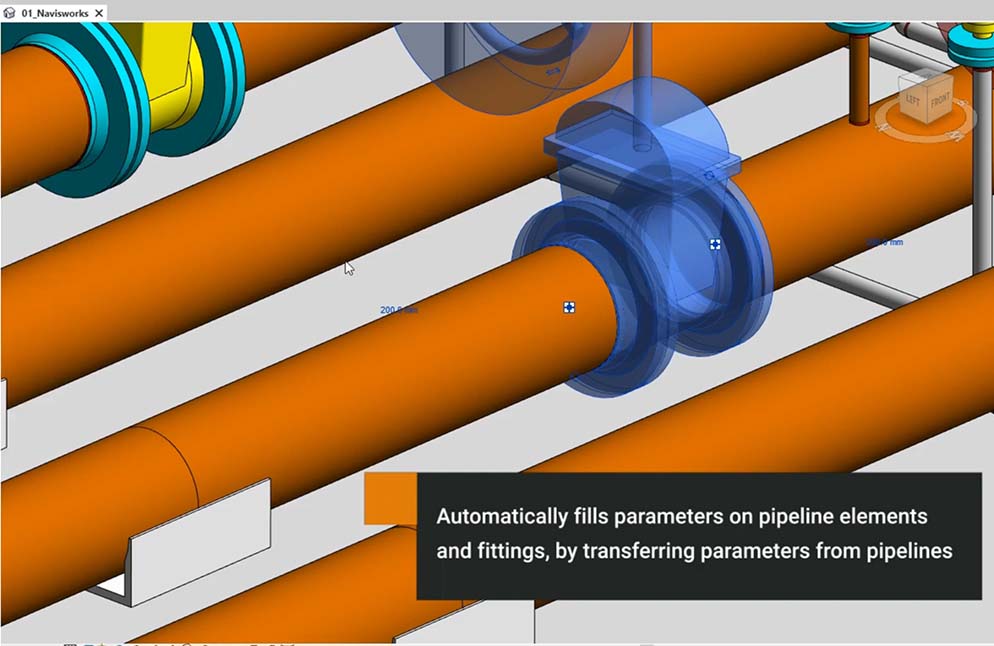
Revit. Copy parameters from pipes
“Revit. Copy parameters from pipes”– plugin for automation filling parameters on pipeline elements and fittings, by transferring parameters from pipelines. Pipeline systems have the same parameters for different elements of the system, such as the product cipher, the plugin is designed to speed up work and automate the transfer of parameters from one element of the system to another
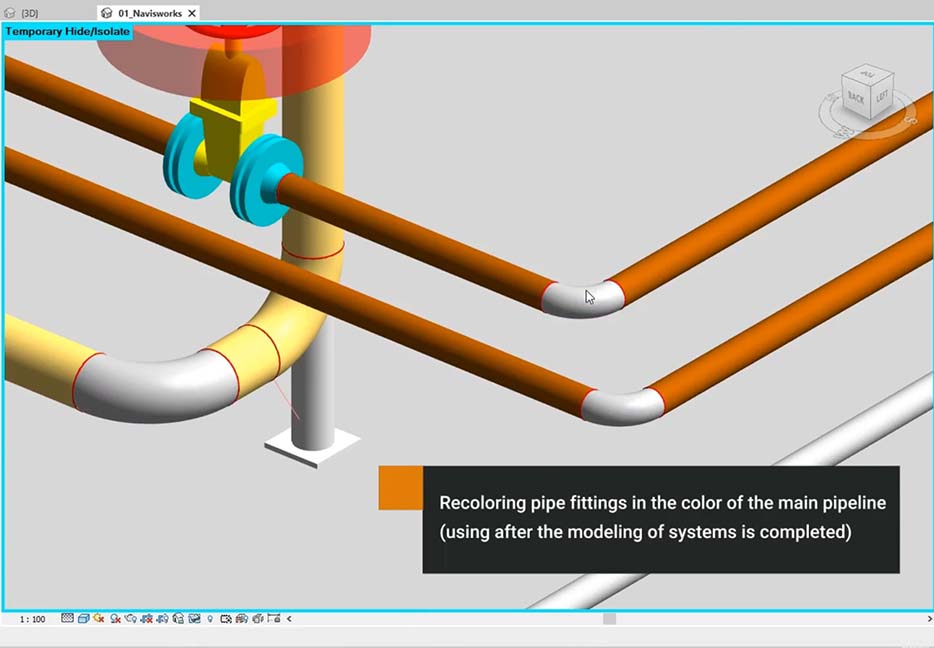
Revit. Coloring of connectors
“Revit. Coloring of connectors” – plugin for recoloring of pipe fittings in the color of the main pipeline. When painting pipe fittings during the modeling process, a lot of time is lost, to speed up the work, the process of painting fittings is automated after the modeling of systems is completed
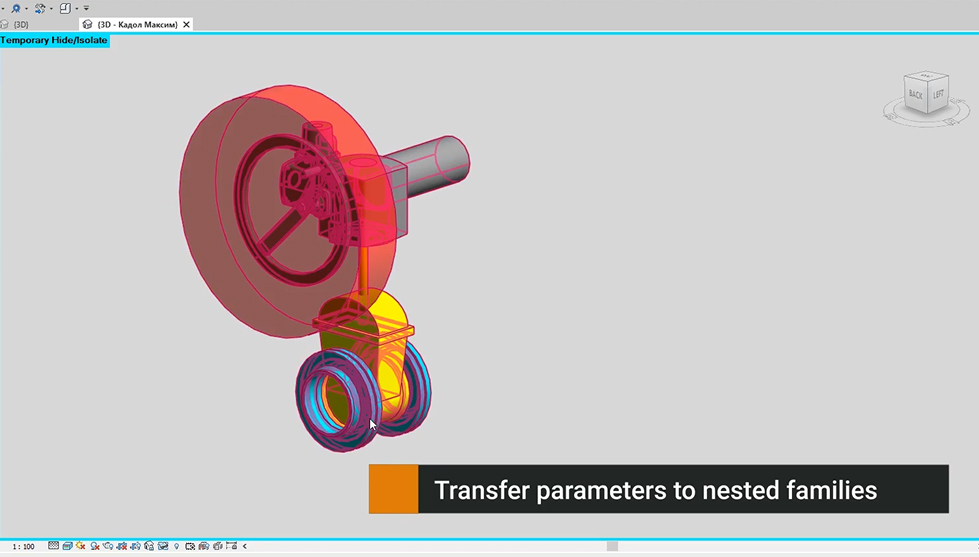
Revit. Nested families. Parameters
“Revit. Nested families. Parameters” – plugin for transferring parameters to nested families
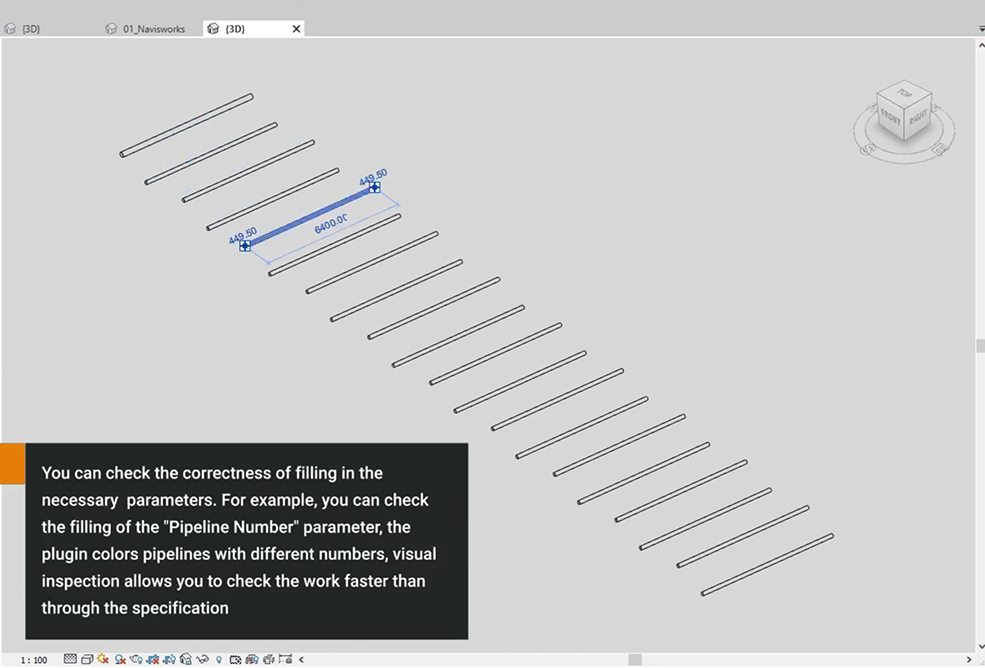
Revit. Creating coloring filters
“Revit. Creating coloring filters” – plugin was created in order to simplify visual control of the correctness of filling in parameters. With the help of the plugin, you can check the correctness of filling in the necessary parameters not on one element, but on several systems at once. For example, you can check the filling of the “Pipeline Number” parameter, the plugin colors pipelines with different numbers, visual inspection allows you to check the work faster than through the specification
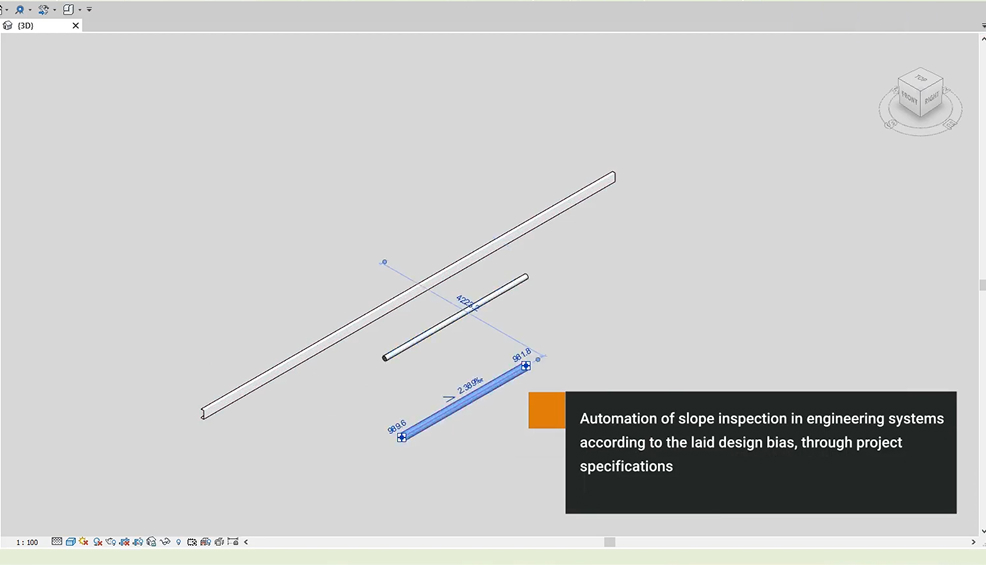
Revit. Checking pipes slope
“Revit. Checking pipes slope” – automation of slope inspection in engineering systems according to the laid design bias, through project specifications
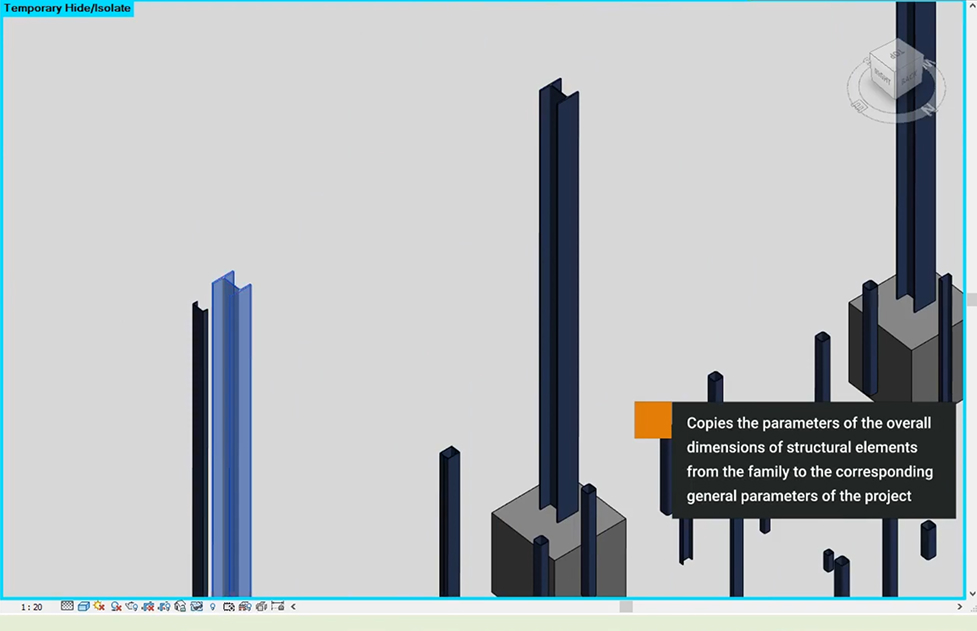
Revit. As transfer of dimensions
“Revit.AS transfer of dimensions” – plugin for copying the parameters of the overall dimensions of structural elements from the family to the corresponding general parameters of the project
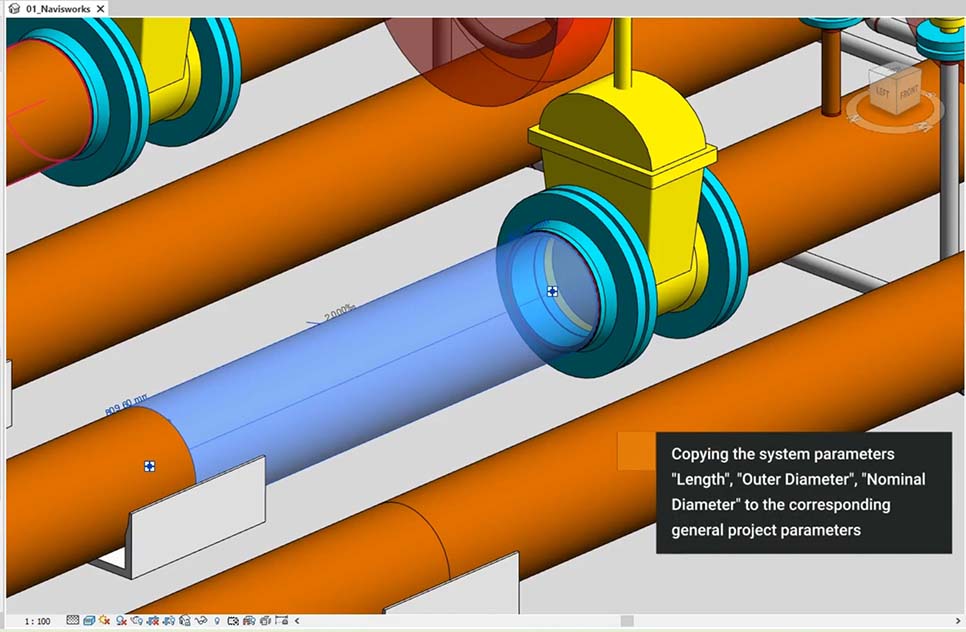
Revit. Length Outer Diameter
“Revit.LengthOuterDiameterNominalDiameter” – plugin for copying the system parameters “Length”, “Outer Diameter”, “Nominal Diameter” to the corresponding general project parameters
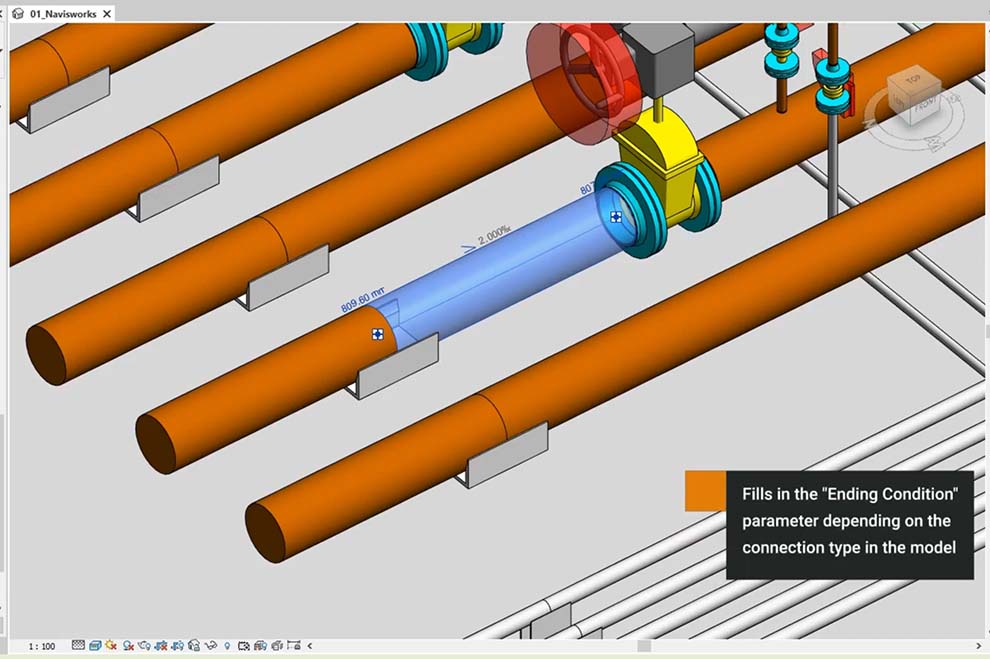
Revit. End Condition
“Revit.EndCondition” – plugin for filling in the “Ending Condition” parameter depending on the connection type in the model
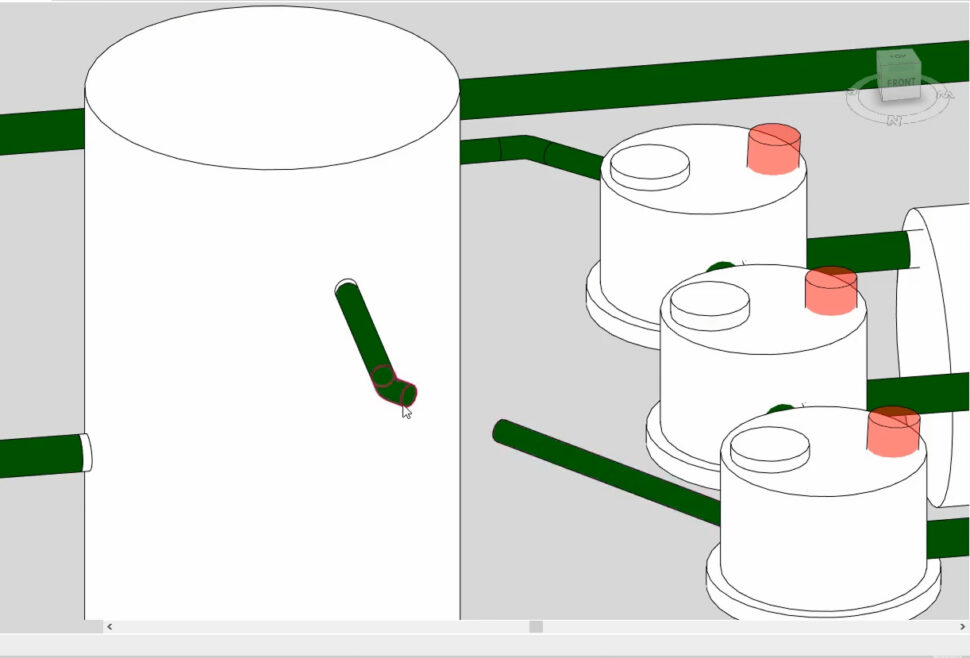
Revit. HVAC. Connect element
“Revit. HVAC. Connect elements” – plugin allows you to connect any elements by moving the first selected element. The number of additional actions when connecting elements through the connector is significantly reduced
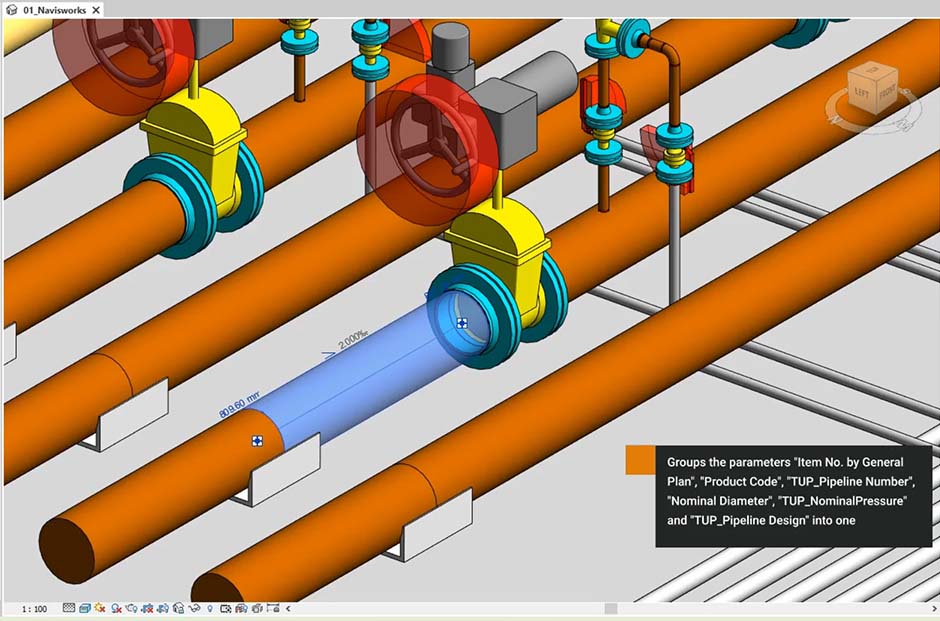
Revit. Line Section Number
“Revit.LineSectionNumber” – plugin for grouping the parameters “Item No. by General Plan”, “Product Code”, “TUP_Pipeline Number”, “Nominal Diameter”, “TUP_NominalPressure” and “TUP_Pipeline Design” into one
Parameters
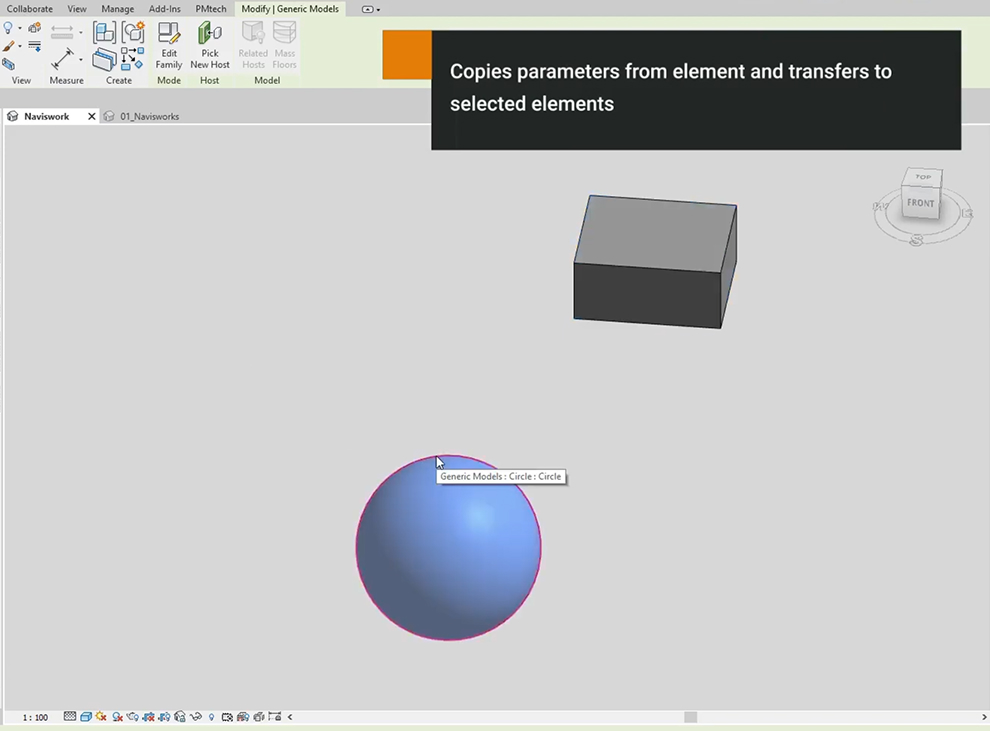
Revit. Copying parameters from element to element
“Revit. Copying parameters from element to element” – plugin for copying the same parameters from one element to another with attributive filling of the model. Using specifications does not solve the problem, since it is possible to find an element only visually
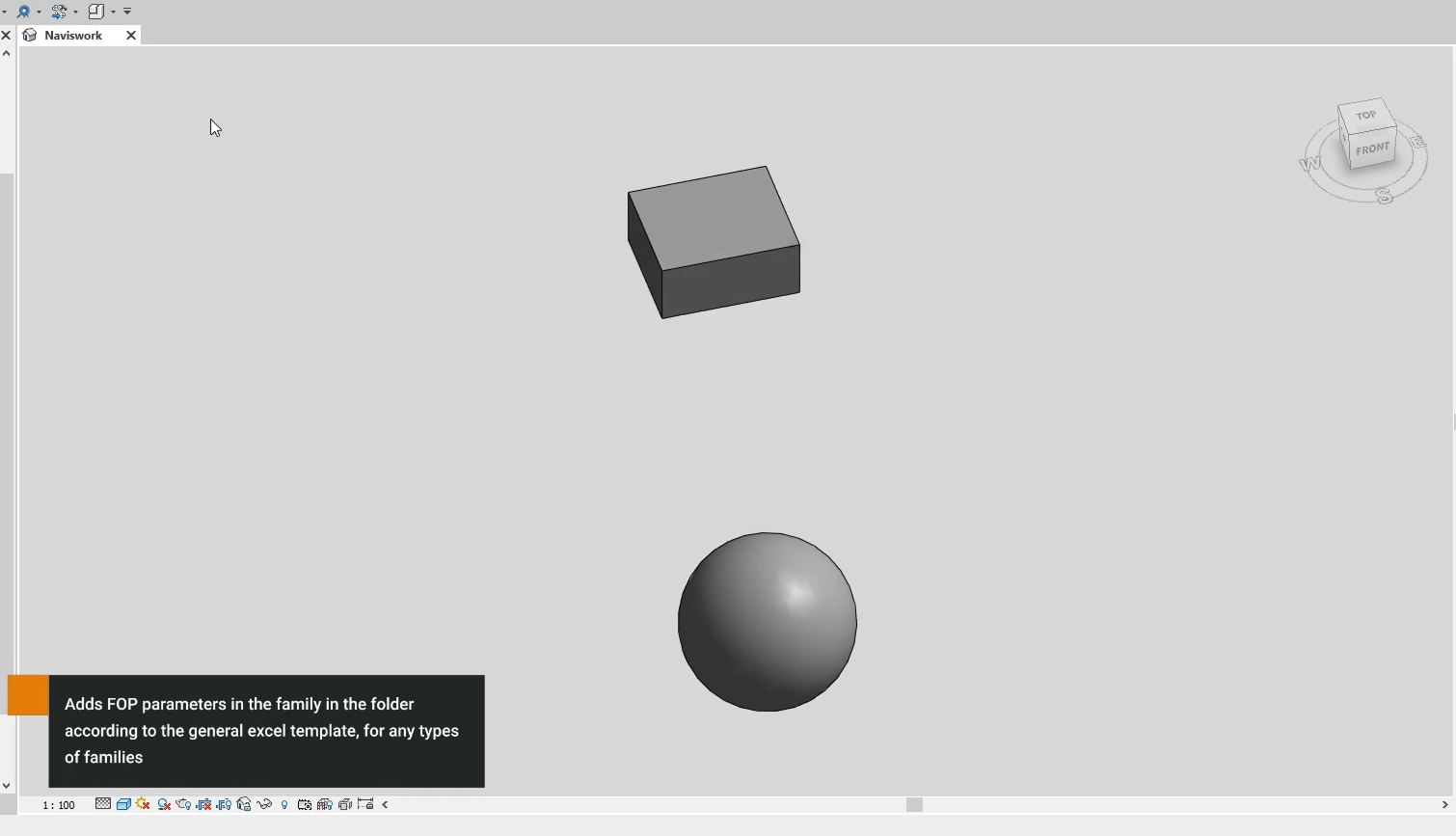
Revit. Add. Parameters from folder
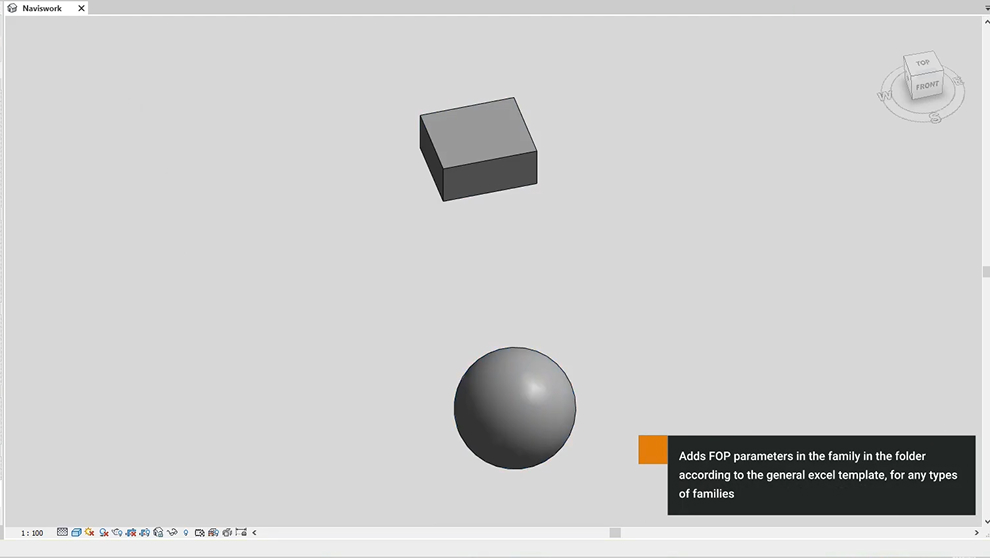
“Revit.Add.Parameters from folder” – plugin allows you to add FOP parameters in the family in the folder according to the general excel template, for any types of families
Revit. Add. Parameters on project
“Revit.Add.Parameters in project” – plugin allows you to add FOP parameters in the family in the project according to the general excel template, for any types of families
Revit. Copying parameters from linked model
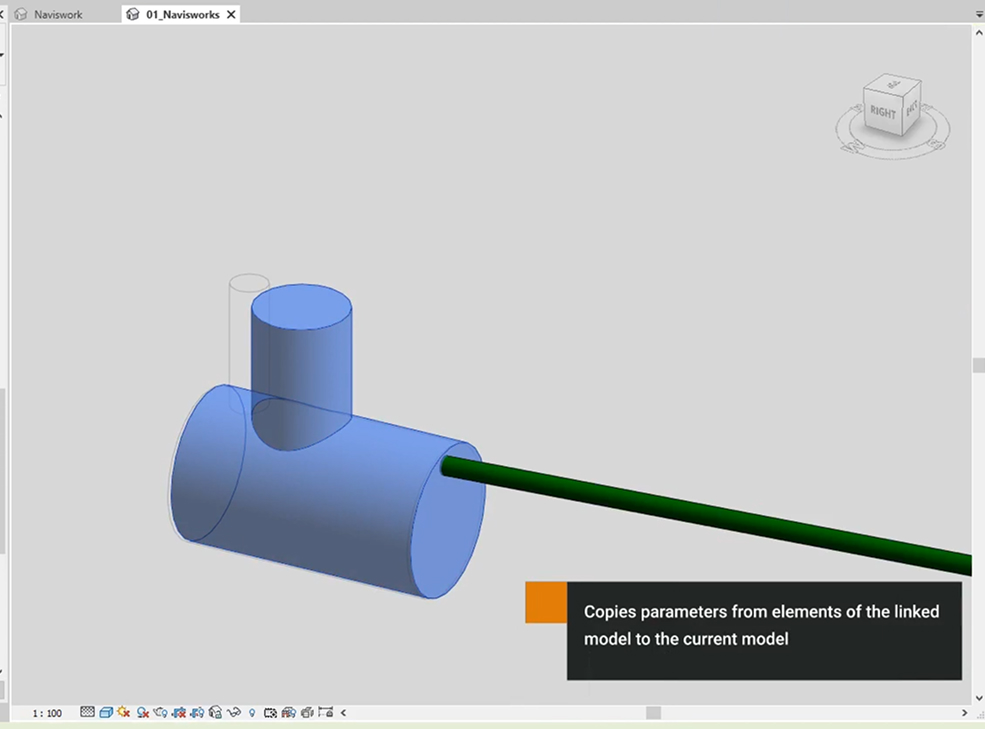
“Revit. Copying parameters from linked model” – plugin for copying parameters from elements of the linked model to the current model. The elements are matched by the existing unique identifier GUID
Revit. Import. Importing parameters
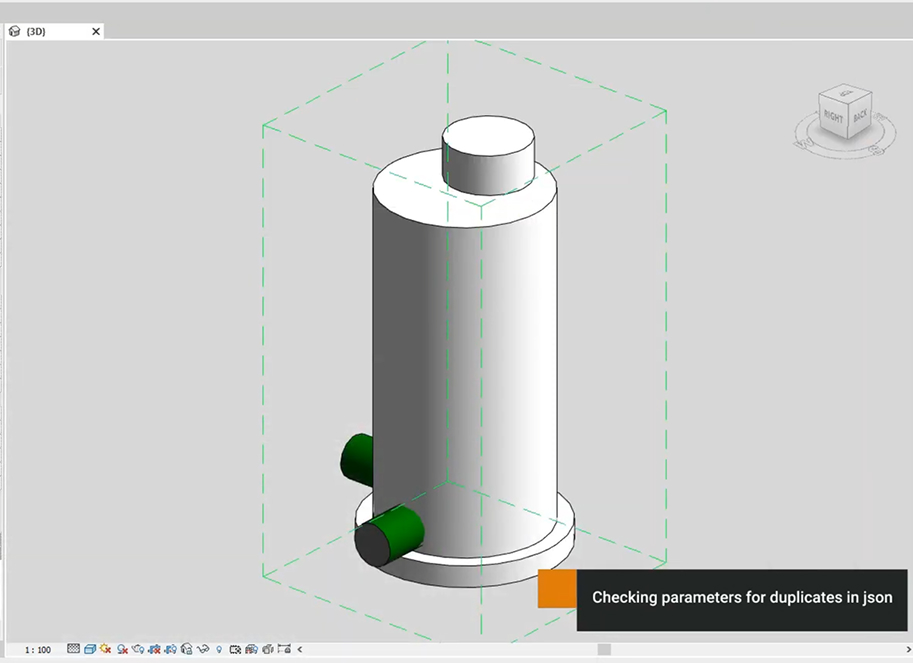
“Revit. Import. Importing parameters from json” – plugin allows you to check parameters for duplicates. Due to the possibility of adding parameters with literals of different alphabets (Latin and Cyrillic), or adding parameters manually, for example, in families, visually similar parameters can be created
Revit. Parameters. Database
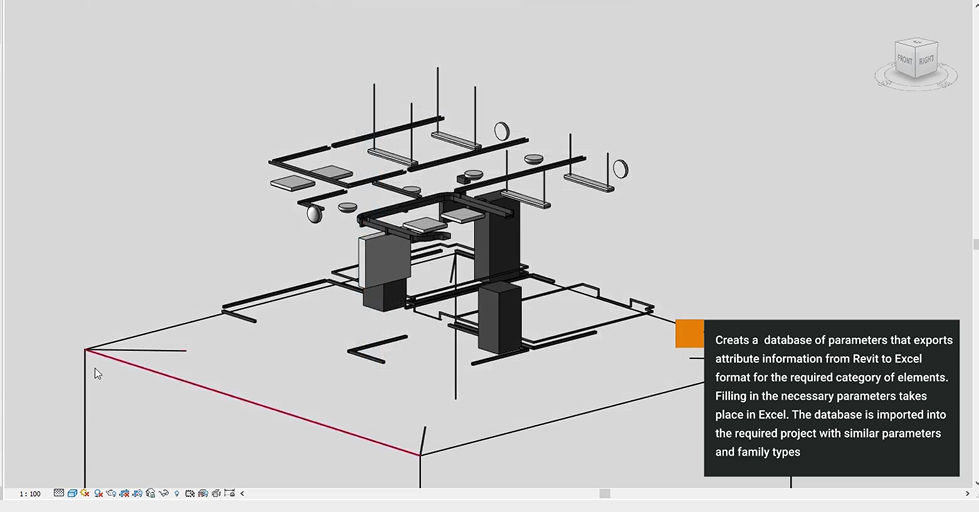
“Revit. Parameters. Database” – plugin allows you to creat a database of parameters that exports attribute information from Revit to Excel format for the required category of elements. Filling in the necessary parameters takes place in Excel, which reduces labor costs. The database is imported into the required project with similar parameters and family types. Additionally, the plugin is used to check the attributive content of the model
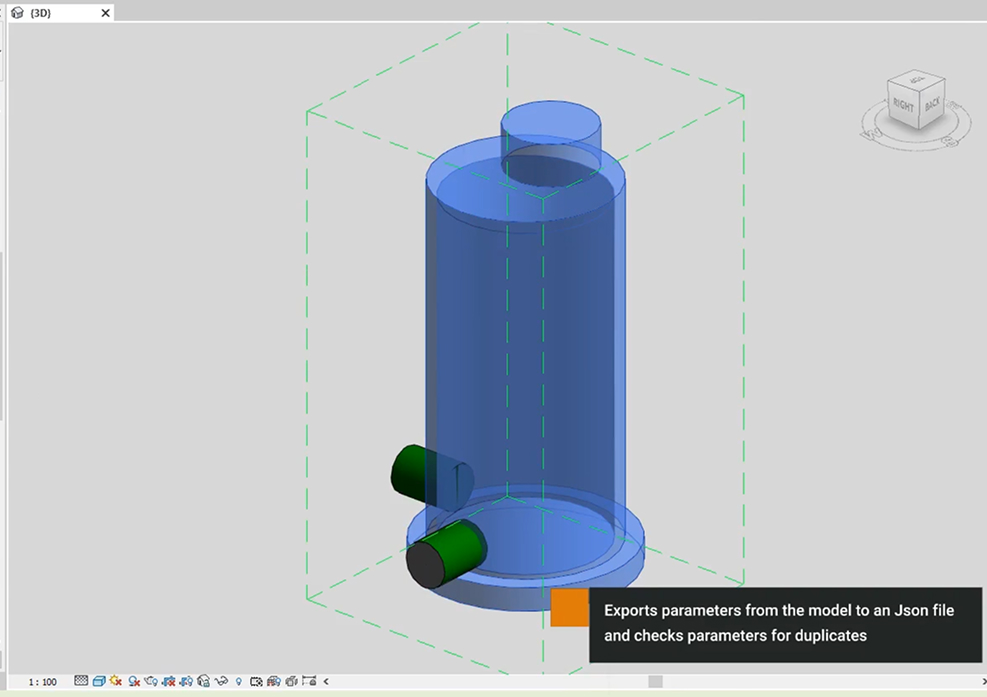
Revit. Export. Export parameters to Json. Check for duplicate
“Revit.Export.Export parameters to Json.Check for duplicates” – the plugin allows you to export parameters from the model to an Json file.It is used to check parameters for duplicates. Due to the possibility of adding parameters with literals of different alphabets (Latin and Cyrillic), or adding parameters manually, for example, in families, visually similar parameters can be created
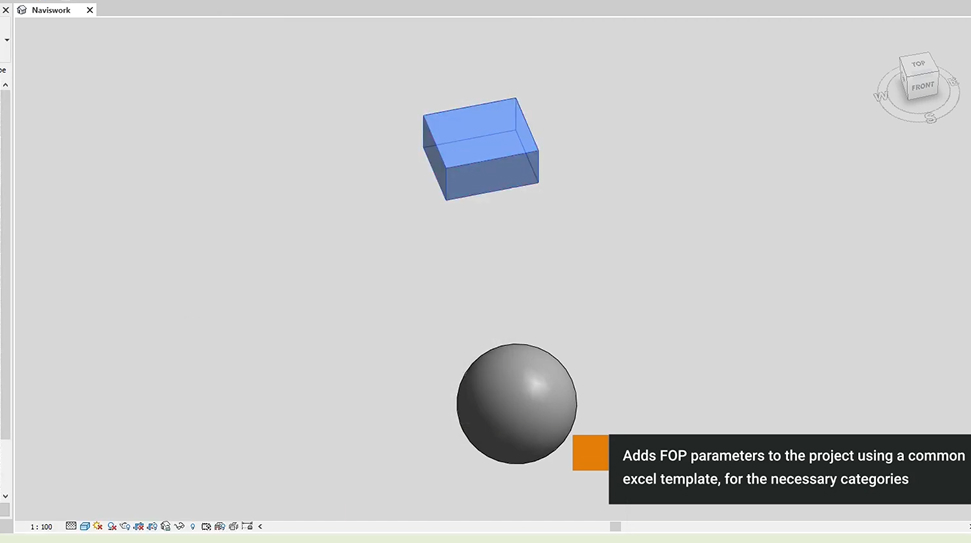
Revit. Add. Add FOP parameters to project
“Revit. Add. Add FOP parameters to project” – plugin allows you to add FOP parameters to the project using a common excel template, for the necessary categories
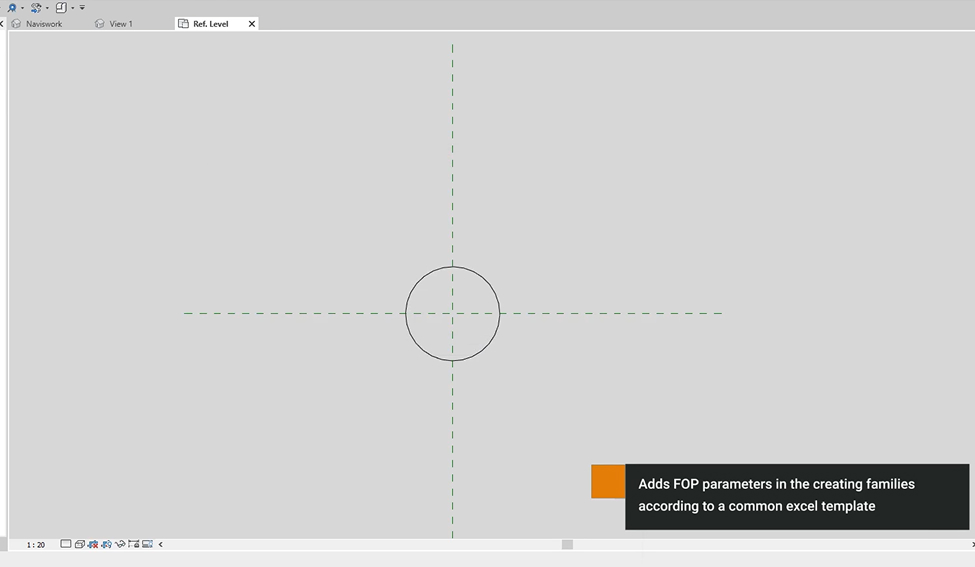
Revit. Add. Add FOP parameters in families
“Revit. Add. Add FOP parameters in families” – plugin allows you to add FOP parameters in the creating families according to a common excel template
Other
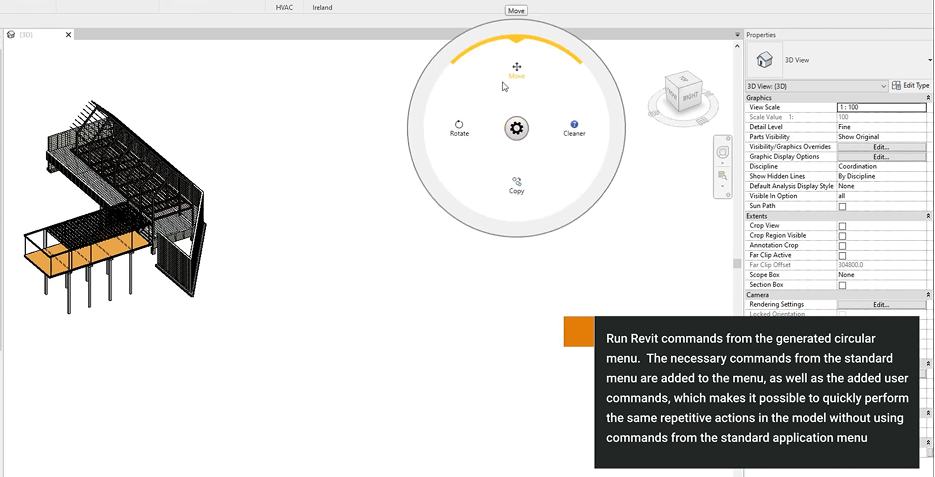
Revit. Radial menu
“Revit. Radial menu” – plugin which allows you to run Revit commands from the generated circular menu. The goal is to reduce the search time for commands on the toolbar. The necessary commands from the standard menu are added to the menu, as well as the added user commands, which makes it possible to quickly perform the same repetitive actions in the model without using commands from the standard application menu. There is a possibility to import/export presets
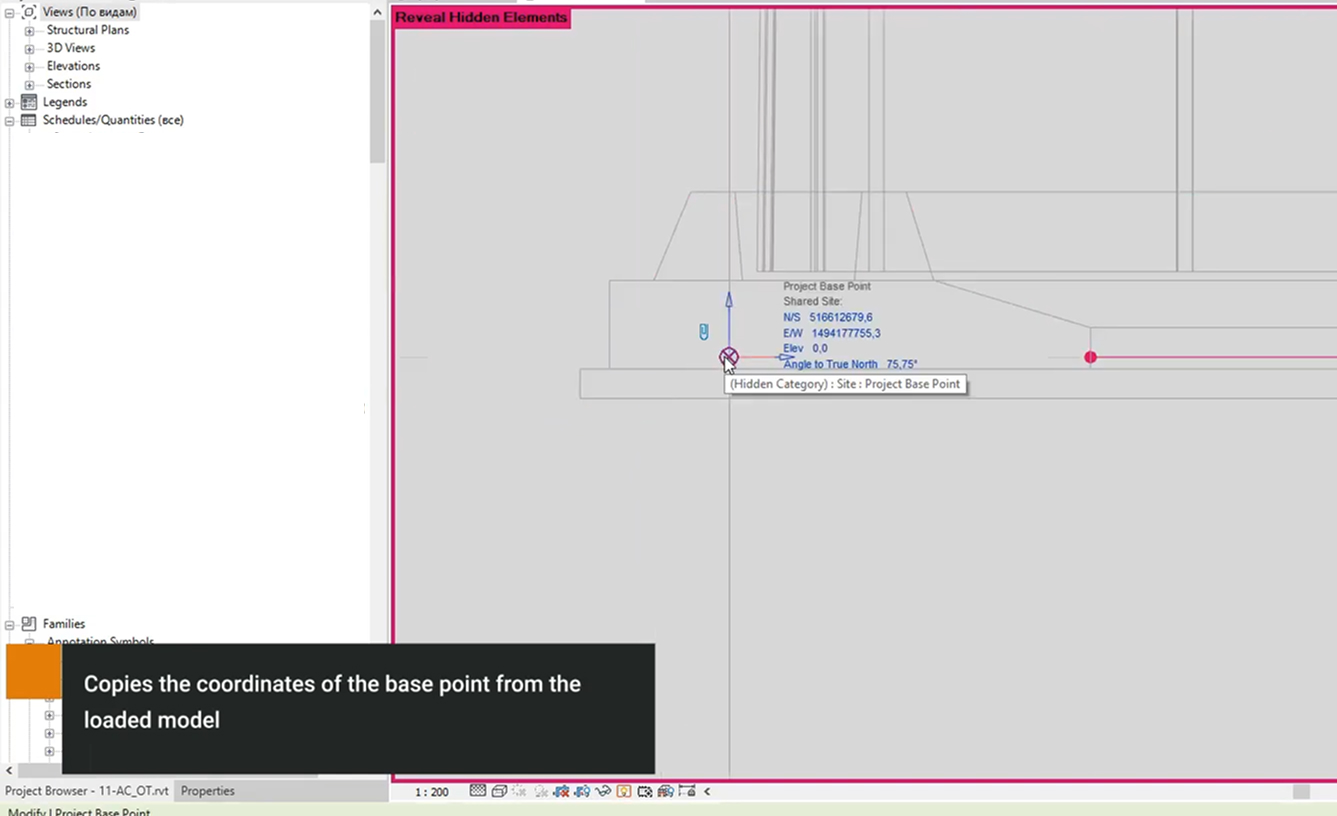
Revit. Common. Publish coordinates
“Revit. Common. Publish coordinates” – to speed up the process of work in a project divided into models, depending on the object (building) and the documentation section, a plugin has been developed that copies the coordinates of the base point from the loaded model
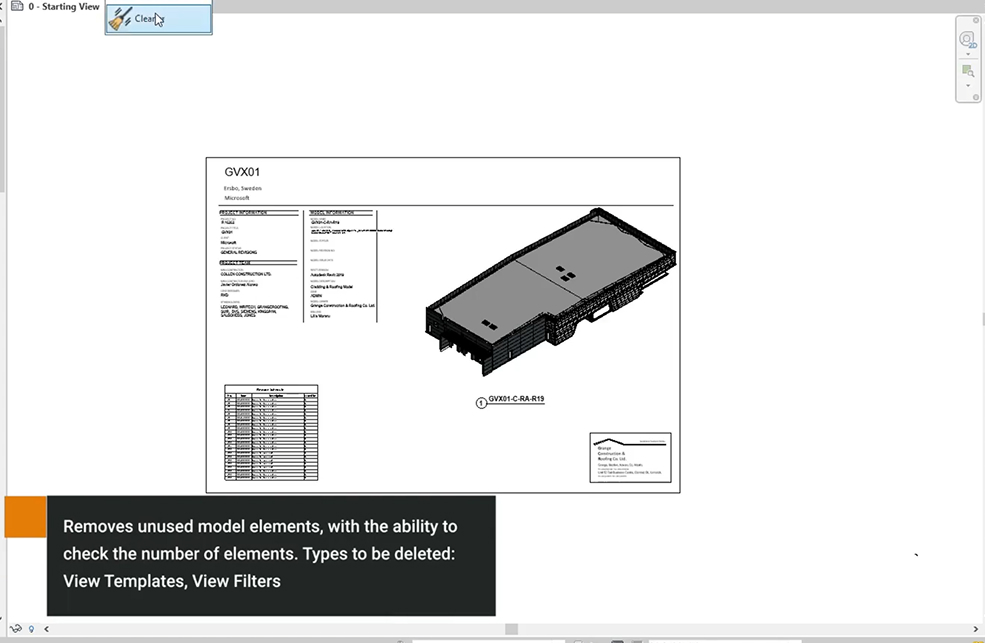
Revit. Elements. Cleaner
“Revit. Elements. Cleaner” – removing unused model elements, with the ability to check the number of elements. Types to be deleted: View Templates, View Filters
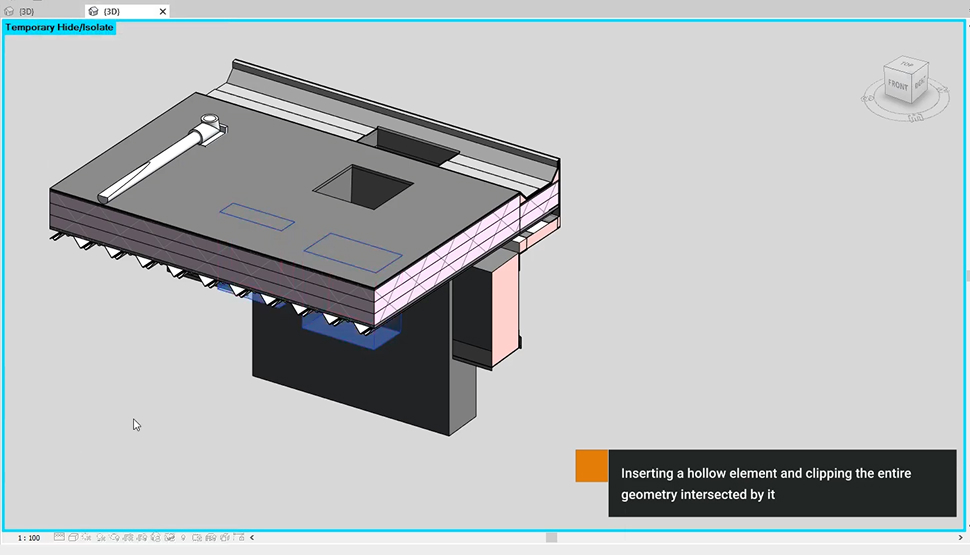
Revit. Geometry. Cut+
“Revit.Geometry.Cut+” – inserting a hollow element and clipping the entire geometry intersected by it. The plug-in is convenient for cutting holes in multi-layered structures, so as not to waste time inserting a floor element and cutting out each element separately
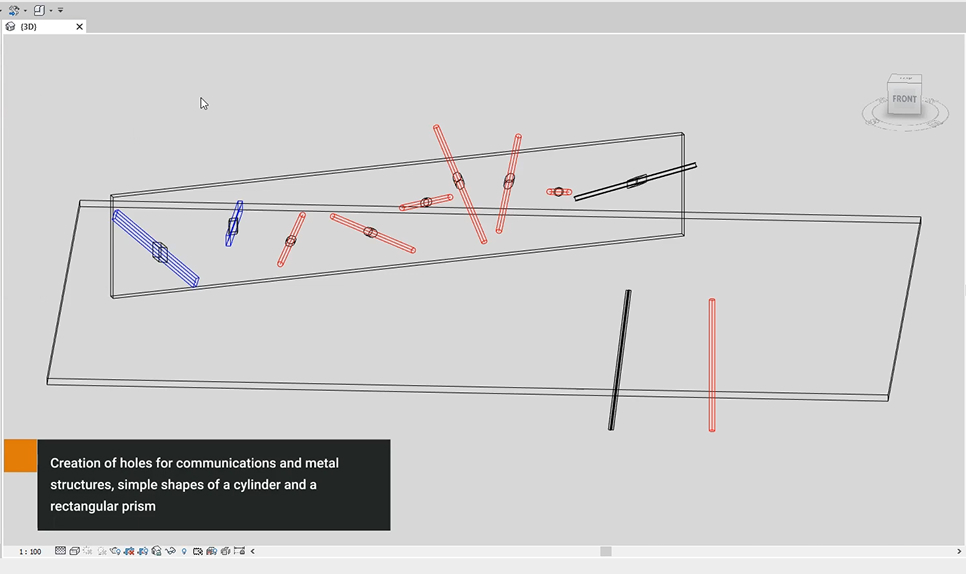
Revit. Geometry. Holes+
“Revit. Geometry. Holes+” – creation of holes for communications and metal structures, simple shapes of a cylinder and a rectangular prism. The plugin allows you to simultaneously cut holes for selected elements of communication networks and metal structures with the choice of the necessary indentation or automatically create holes for intersecting elements.
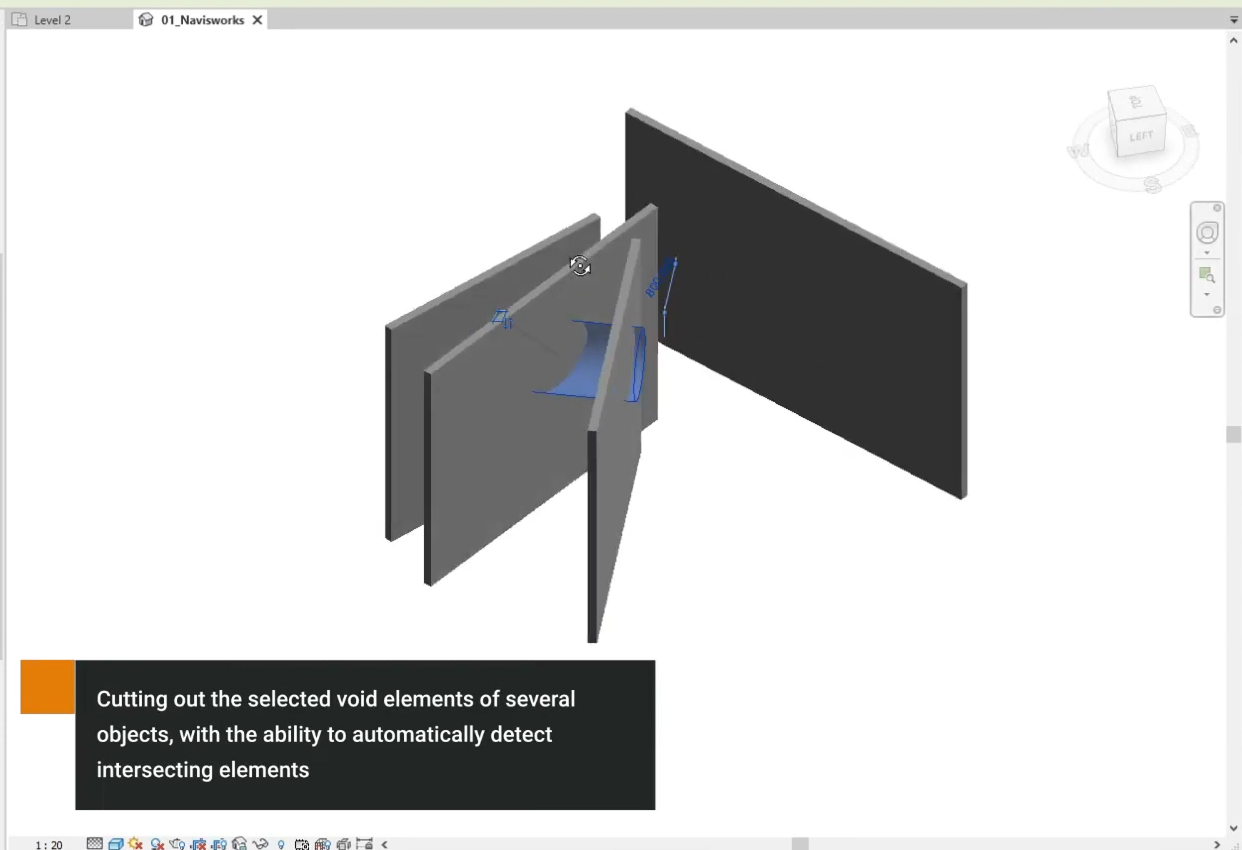
Revit. Geometry. MultiCut
“Revit. Geometry. MultiCut” – cutting out the selected void elements of several objects, with the ability to automatically detect intersecting elements
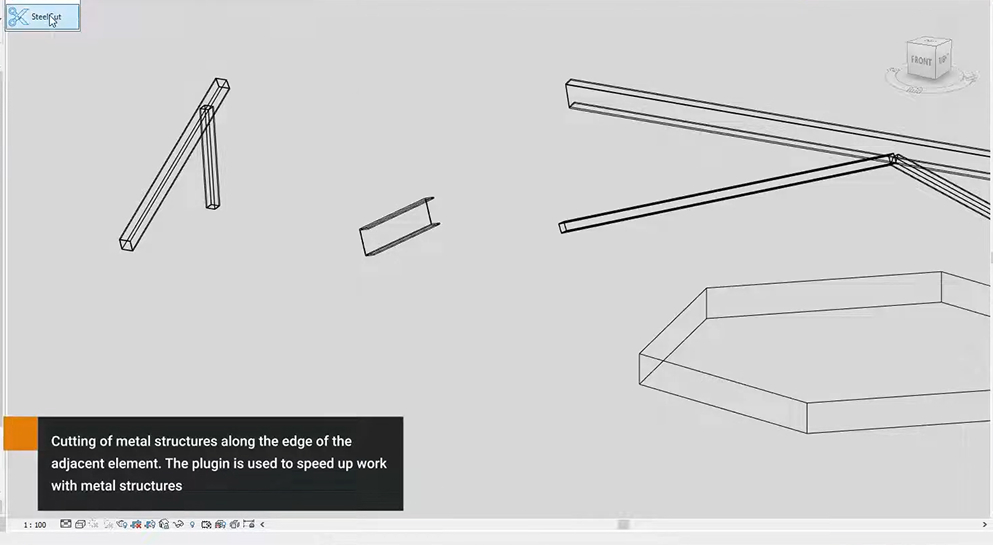
Revit. Geometry. SteelCut
“Revit. Geometry. SteelCut” – cutting of metal structures along the edge of the adjacent element. The plugin is used to speed up work with metal structures
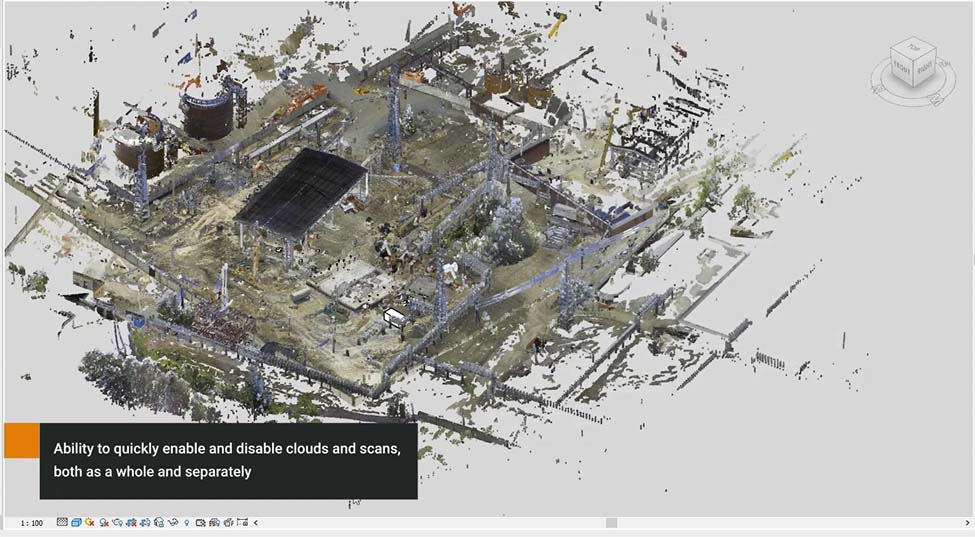
Revit. Point Cloud Management
“Revit.View.Point Cloud Management” – the ability to quickly enable and disable clouds and scans, both as a whole and separately
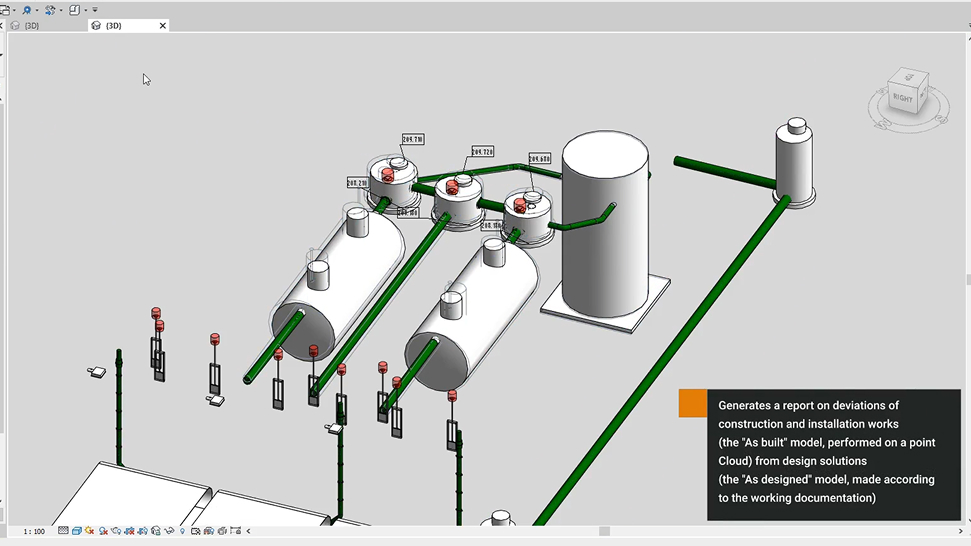
Revit. Elements. Compare
“Revit. Elements. Compare” – the plugin is designed to generate a report on deviations of construction and installation works (the “As built” model, performed on a point Cloud) from design solutions (the “As designed” model, made according to the working documentation). The plugin has visual comparison functions, the model in Revit is colored in four colors depending on the changes (green – new elements are added, orange – elements are changed, red – elements are removed, gray – there are no changes)
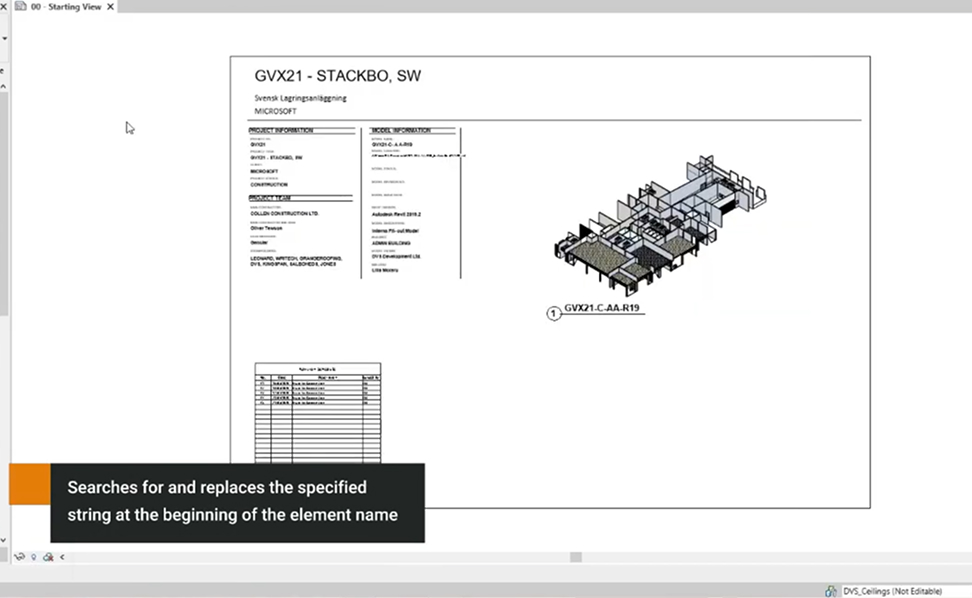
Revit. Elements. Renaming
“Revit.Elements.Renaming” – searches for and replaces the specified string at the beginning of the element name. Types of elements that are processed: Custom Family, System Family, Line Styles, Materials, View Templates, Fills
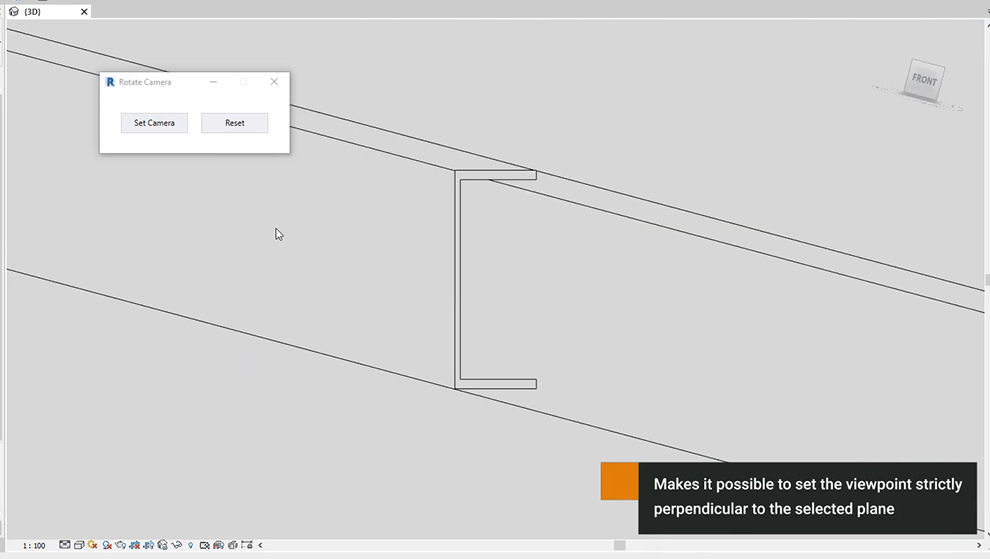
Revit. View. Camera+
“Revit. View. Camera+” – makes it possible to set the viewpoint strictly perpendicular to the selected plane. The function is in demand when correcting for a point cloud, at times when it is impossible to rotate the camera to the desired position, for precise editing of the element